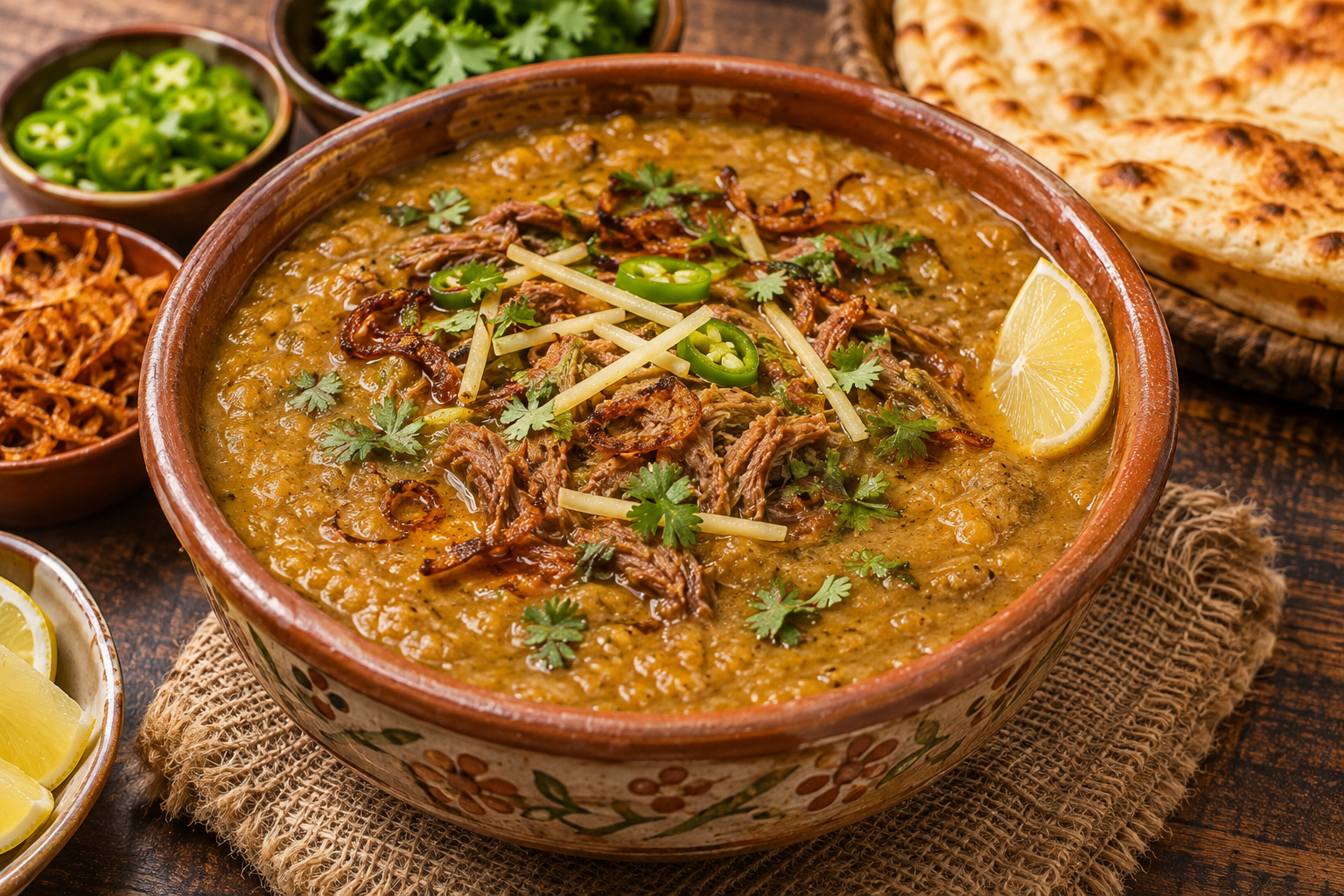
Homemade Pakistani Beef Haleem

A hearty Pakistani beef haleem with slow-cooked beef, wheat, barley, and lentils blended into a thick, silky stew, finished with fried onions, ginger, lemon, and green chilies.
Homemade Pakistani Beef Haleem
A hearty Pakistani beef haleem with slow-cooked beef, wheat, barley, and lentils blended into a thick, silky stew, finished with fried onions, ginger, lemon, and green chilies. This detailed guide walks through the ingredients, equipment, cooking sequence, texture cues, serving ideas, and storage so the recipe is practical to prepare in a home kitchen. The method below uses the quantities saved in the approved Better Home Recipes recipe record.
Prep time: 30 minutes | Cook time: 240 minutes | Total time: about 4 hours 30 minutes, plus at least 4 hours soaking (or overnight) | Servings: 8 | Difficulty: Hard
Introduction
A hearty Pakistani beef haleem with slow-cooked beef, wheat, barley, and lentils blended into a thick, silky stew, finished with fried onions, ginger, lemon, and green chilies. This detailed guide walks through the ingredients, equipment, cooking sequence, texture cues, serving ideas, and storage so the recipe is practical to prepare in a home kitchen. The method below uses the quantities saved in the approved Better Home Recipes recipe record.
The recipe is easiest to follow when you prepare the ingredients first and then work through the steps in order. Homemade Pakistani Beef Haleem takes approximately 30 minutes of preparation and 240 minutes of cooking, for 8 servings. These are practical estimates; actual timing can shift with burner strength, cookware size, ingredient temperature, and the size of the pieces. Use the visual cues in the instructions alongside the clock. Read through the full recipe before beginning, especially if it includes soaking, resting, chilling, or a long simmer. Those periods affect the overall schedule even when they require little active work. Set aside the serving garnishes and prepare any accompanying sauce before the main cooking stage begins.
Why You'll Enjoy This Recipe
This recipe is designed around a clear balance of flavor, texture, and manageable preparation. Its ingredients each have a purpose: the main ingredient provides the body of the dish, aromatics and spices build its flavor, and finishing ingredients bring freshness or contrast. The cooking method moves through those components in a deliberate order, helping the finished dish taste integrated rather than simply seasoned on the surface. It is also adaptable at the table: serve it with the suggested accompaniments and adjust optional heat or garnish to suit the people eating.
The sequence is important because each stage prepares the food for the next. Early preparation removes excess moisture, builds the base flavor, or brings ingredients to a useful temperature. The middle stages cook the main components and allow them to absorb seasoning. The final stage adjusts consistency and adds ingredients that are best kept fresh. Avoid skipping a rest, soak, reduction, or chilling period simply because the dish looks close to finished; those steps are often what create the intended texture.
Ingredients You'll Need
For the most reliable result, measure the ingredients before turning on the stove. The complete ingredient list is included below exactly as stored in the approved recipe, including quantities, optional items, and separate garnish or sauce components. Homemade Pakistani Beef Haleem depends on the balance between its primary ingredients and its seasonings. Keep fresh herbs, citrus, crunchy toppings, and other finishing elements separate until the point when the instructions call for them. Ingredients that are listed for a sauce, garnish, soaking liquid, or cooking fat are part of the complete recipe, not extras to overlook.
- 1½ lb (680 g) boneless beef chuck or beef shank, cut into 1½-inch pieces
- ½ cup (100 g) whole wheat or cracked wheat (dalia)
- ¼ cup (45 g) pearled barley
- ¼ cup (50 g) split chickpeas (chana dal)
- ¼ cup (50 g) yellow split peas or split mung dal
- ¼ cup (50 g) red lentils (masoor dal)
- 10 cups (2.4 L) water, divided, plus more as needed
- 3 tbsp ghee or neutral oil
- 2 medium onions, thinly sliced
- 1 tbsp ginger-garlic paste
- 2 tsp ground coriander
- 1 tsp ground cumin
- 1 tsp Kashmiri chili powder
- ½ tsp red chili powder, or to taste
- ½ tsp ground turmeric
- 1 tsp garam masala
- 1½ tsp kosher salt, plus to taste
- 1 tbsp lemon juice
- ¼ cup (10 g) chopped cilantro, for garnish
- 2 tbsp julienned fresh ginger, for garnish
- 2 green chilies, thinly sliced, for garnish
- 1 lemon, cut into wedges, for serving
- ½ cup (120 ml) neutral oil or ghee, for frying onions
- 1 medium onion, thinly sliced, for crispy garnish
Check the list once before cooking and make sure you have every component, including the ingredients used for finishing, dipping, soaking, or serving. If an item is marked optional, you may omit it; otherwise, keep the quantity as written for the first attempt. Measuring carefully is especially helpful when a recipe depends on the right ratio of liquid to grains, a binder to hold a mixture together, or a thickener to give a sauce its final body.
Equipment
Prepare Two large heavy pots (at least 5 quarts each); large bowl for soaking; colander; knife and cutting board; wooden spoon; potato masher or immersion blender; small skillet for garnish onions; slotted spoon; paper towels Choose cookware with enough room for the ingredients to cook without excessive crowding. A heavy-bottomed pan helps distribute heat more evenly and reduces the chance of scorching during longer cooking stages. A sharp knife and stable board make the preparation more consistent, while measuring spoons and a liquid measuring jug help keep the seasoning and moisture balance close to the tested quantities. Set out a clean plate or tray for ingredients that need to be removed temporarily during cooking.
Arrange the equipment so you can move safely between preparation and cooking. Keep handles turned inward, use dry cloths or oven mitts for hot cookware, and leave enough counter space for a tray or plate. If using a blender, allow hot ingredients to cool slightly and follow the appliance manufacturer's instructions rather than sealing hot liquid in a closed blender jar.
How to Make Homemade Pakistani Beef Haleem
The recipe is easiest to follow when you prepare the ingredients first and then work through the steps in order. Homemade Pakistani Beef Haleem takes approximately 30 minutes of preparation and 240 minutes of cooking, for 8 servings. These are practical estimates; actual timing can shift with burner strength, cookware size, ingredient temperature, and the size of the pieces. Use the visual cues in the instructions alongside the clock.
The sequence is important because each stage prepares the food for the next. Early preparation removes excess moisture, builds the base flavor, or brings ingredients to a useful temperature. The middle stages cook the main components and allow them to absorb seasoning. The final stage adjusts consistency and adds ingredients that are best kept fresh. Avoid skipping a rest, soak, reduction, or chilling period simply because the dish looks close to finished; those steps are often what create the intended texture.
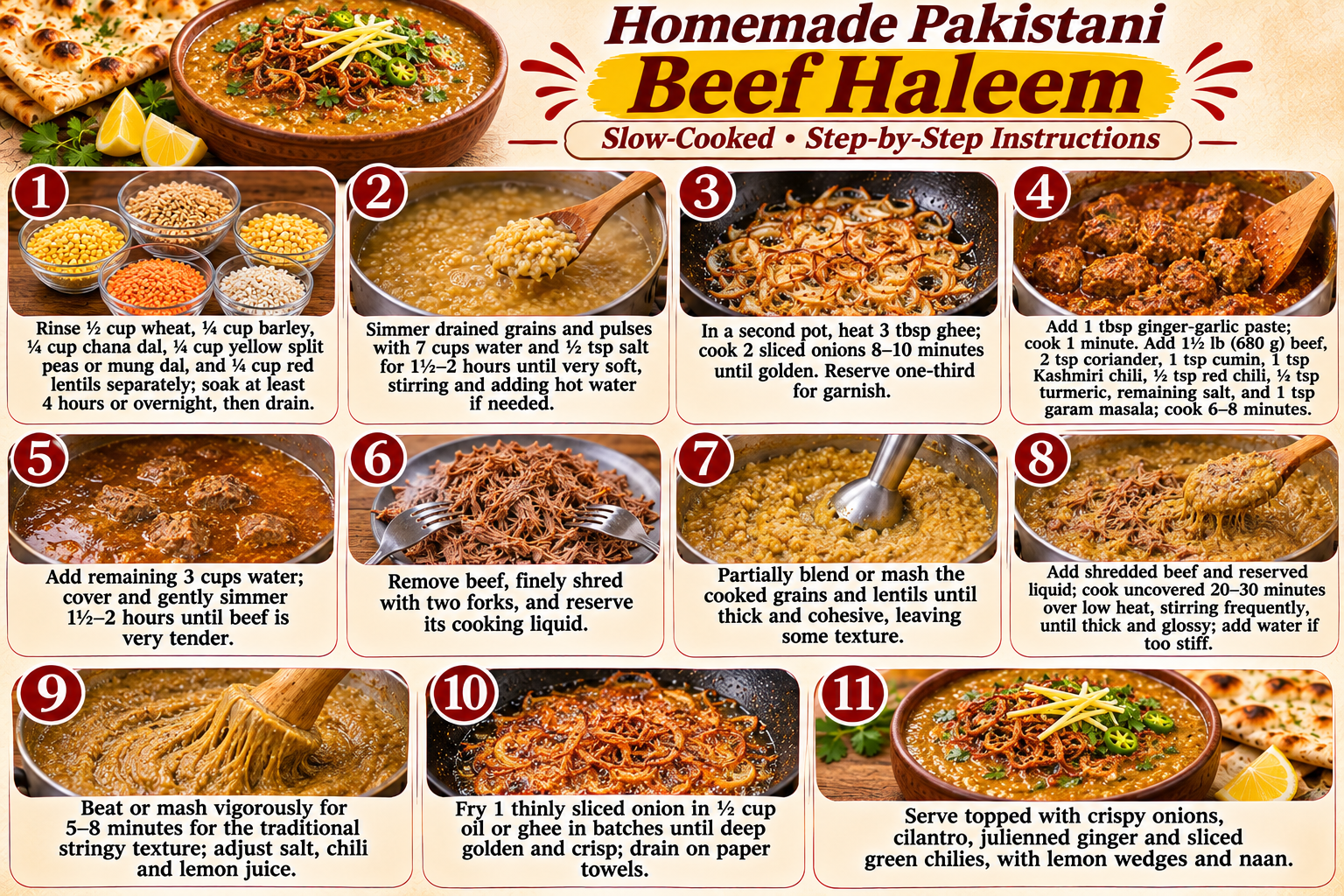
Rinse the wheat, barley, chana dal, yellow split peas, and red lentils separately until the water runs mostly clear. Place them in a large bowl, cover generously with water, and soak for at least 4 hours or overnight. Drain before cooking.
Complete this stage before moving on so the next ingredients can be added at the right moment. Keep the quantities measured and the work area organized; this makes it easier to notice changes in aroma, color, and texture.
Place the drained grains and pulses in a large heavy pot with 7 cups water and ½ teaspoon of the salt. Bring to a boil, skim foam, then cover partially and simmer for 1½–2 hours, stirring regularly, until very soft and beginning to break down. Add hot water if the pot becomes dry.
Pay attention to the heat and the space in the pan. Ingredients should cook rather than steam in an overcrowded vessel. If the recipe calls for batches, take the extra moment to do them separately for a more even result.
Meanwhile, heat 3 tablespoons ghee in a second heavy pot over medium heat. Add the 2 sliced onions and cook for 8–10 minutes until golden. Remove about one-third to a plate for garnish.
Aromatics and spices can become bitter if they scorch. Stir as directed and adjust the heat if the pan is cooking too aggressively. The goal is to release their aroma and coat the other ingredients evenly.
Add ginger-garlic paste to the remaining onions and cook for 1 minute. Add beef, coriander, cumin, Kashmiri chili, red chili, turmeric, remaining salt, and garam masala. Cook for 6–8 minutes, stirring, until the beef is coated and lightly browned.
Look for the texture described in the step rather than relying on color alone. Ingredients often continue cooking after liquid is added, so allow enough time for them to soften or absorb flavor before continuing.
Pour in the remaining 3 cups water. Bring to a gentle boil, cover, and simmer for 1½–2 hours until the beef is very tender and can be shredded easily. Add hot water as needed to prevent scorching.
When the main ingredients return to the pan or pot, distribute the seasoning evenly. Scrape the bottom gently to release flavorful browned bits, but do not scrape burnt material into the food.
Remove beef from its cooking liquid. Shred it finely with two forks, discarding any tough gristle or bones. Reserve the cooking liquid.
This stage controls the final consistency. Keep the heat steady and stir at the frequency suggested, especially as the mixture thickens or the liquid level falls. Add extra liquid only when the instructions allow it.
Use an immersion blender to partially blend the cooked grain and lentil mixture until thick and cohesive, leaving some texture. Alternatively, mash vigorously with a sturdy potato masher. Do not blend hot liquid in a sealed countertop blender.
Check doneness at the thickest or least exposed part of the food when relevant. If a safe internal temperature is specified, use a thermometer; appearance alone is not a reliable substitute for temperature.
Add the shredded beef and its reserved cooking liquid to the grain mixture. Stir thoroughly over low heat. Cook uncovered for 20–30 minutes, stirring frequently and scraping the bottom, until the haleem is thick, glossy, and cohesive. Add hot water in small amounts if it becomes too stiff.
Finish with the listed garnish or resting time. Resting allows heat and moisture to settle, while fresh herbs, citrus, and crisp toppings are best added near serving so they retain their character.
For a more traditional stringy texture, beat the mixture vigorously with a sturdy wooden spoon or use a hand masher for 5–8 minutes. Taste and adjust salt, chili, and lemon juice.
Complete this stage before moving on so the next ingredients can be added at the right moment. Keep the quantities measured and the work area organized; this makes it easier to notice changes in aroma, color, and texture.
To make crispy onions, heat the garnish oil in a small skillet over medium heat. Fry the reserved thinly sliced onion in batches, stirring, until deep golden. Remove to paper towels; they will crisp as they cool.
Pay attention to the heat and the space in the pan. Ingredients should cook rather than steam in an overcrowded vessel. If the recipe calls for batches, take the extra moment to do them separately for a more even result.
Ladle haleem into bowls. Top with crispy onions, cilantro, ginger, and green chilies. Serve with lemon wedges and naan.
Aromatics and spices can become bitter if they scorch. Stir as directed and adjust the heat if the pan is cooking too aggressively. The goal is to release their aroma and coat the other ingredients evenly.
Use the stated cooking times as a guide, not as the only test of doneness. Larger pieces may need more time, while smaller pieces or a wider pan may cook faster. If the recipe includes meat or poultry, follow the safe temperature guidance in its instructions. If it includes rice, lentils, or other grains, check that the center is tender and the liquid has been absorbed as described before serving.
Tips and Troubleshooting
Soaking grains and pulses reduces cooking time and helps them soften evenly. Cook the grain mixture until very soft before combining with beef. Stir frequently during the final thickening stage because haleem can catch on the bottom. Add water gradually; the finished haleem should be thick and spoonable, not dry or sliceable. Shred beef finely and beat the combined mixture to develop the characteristic cohesive texture. If the result seems too wet, first identify whether the recipe calls for reducing liquid, draining, squeezing, or resting; do not add dry ingredients at random. If it seems too thick, loosen it gradually with the liquid specified in the recipe or notes. If browning is happening too quickly, lower the heat before the exterior burns. Season in small increments and taste again after the food has reached its final consistency, because concentration can make salt and spices more pronounced.
Try to correct texture problems gradually. A small amount of liquid can loosen a thick mixture, while a little more uncovered cooking can reduce excess moisture when the recipe calls for it. Avoid increasing the heat sharply to hurry a slow stage; the outside may overcook before the inside is ready. If you are preparing the recipe for the first time, note how your particular stove and cookware behave so you can make small timing adjustments on the next attempt.
Easy Variations
Use lamb shoulder instead of beef; adjust simmering time until tender. If cracked wheat is unavailable, use whole wheat berries, allowing extra cooking time, or rolled wheat only as a less traditional shortcut. A pressure cooker can shorten the grain and beef stages, but cook them separately and combine afterward. When making a substitution, consider what the original ingredient contributes. A replacement may change moisture, fat, acidity, structure, or cooking time, so make one change at a time. Keep the main quantities and method unchanged on the first attempt; once you know the intended texture, it is easier to judge how a variation affects the result. Optional garnishes are the simplest way to personalize the dish without changing the cooking process.
What to Serve With It
Serve Homemade Pakistani Beef Haleem while it is at its best temperature and texture. Choose accompaniments that create contrast rather than competing with the main dish. Fresh vegetables, a simple salad, yogurt-based sides, citrus, chutney, flatbread, or rice can balance a richly seasoned main, while a light garnish can bring freshness to a softer or creamier preparation. If the dish includes a sauce or gravy, provide bread or rice that can carry it. Keep cold accompaniments chilled until serving and add delicate garnishes at the last moment.
Make-Ahead, Storage, and Reheating
Some preparation can be completed ahead, such as measuring spices, chopping sturdy vegetables, preparing a chutney, or soaking grains and pulses when the recipe specifies it. Keep raw ingredients covered and refrigerated where appropriate, and do not leave perishable foods at room temperature for extended periods. Cool promptly in shallow containers and refrigerate for up to 3 days. Haleem thickens significantly when cold; loosen with water or stock while reheating. Reheat on the stovetop over low heat, stirring often, until steaming hot throughout (165°F/74°C). Freeze portions for up to 2 months; thaw overnight in the refrigerator and reheat with added liquid. Store fresh garnishes separately. For best quality, store crunchy toppings, fresh herbs, bread, and sauces separately when combining them would soften or dull their texture. Reheat only the portion needed, using gentle heat and adding a little of the recipe's suggested liquid if the food has thickened during storage.
Frequently Asked Questions
Can I make beef haleem ahead of time?
Yes. Haleem reheats well and often tastes even more blended the next day. Refrigerate promptly and add water or stock as it warms because it thickens when chilled.
How do I get haleem smooth and stringy?
Cook the grains and lentils until very soft, shred the beef finely, then beat or mash the combined mixture until it becomes thick and cohesive.
Closing Thoughts
This homemade pakistani beef haleem recipe is intended to be repeatable, not complicated. Keep the ingredient quantities together, follow the cooking order, and use the texture cues to decide when each stage is ready. The first time you make it, stay close to the method; after that, you can adjust heat, garnish, or serving accompaniments to match your preferences while keeping the core technique intact.
Ready to make something?
Turn inspiration into dinner.
Browse our tested recipes for practical step-by-step ideas, weeknight favorites and something delicious to try next.
Find your next recipe →Helpful Tools for This Recipe
Disclosure: Affiliate disclosure: This post contains affiliate links. As an Amazon Associate I earn from qualifying purchases at no extra cost to you.
 (paid link)
Pre-Seasoned Cast Iron Skillet (10.25-inch)
Provides exceptional heat retention and unbeatable browning for chicken, steaks, and skillet pastas.
 (paid link)
Heat-Resistant Seamless Silicone Spatula Set
Withstands up to 450°F and scrapes nonstick pans cleanly without scratching protective coatings.
 (paid link)
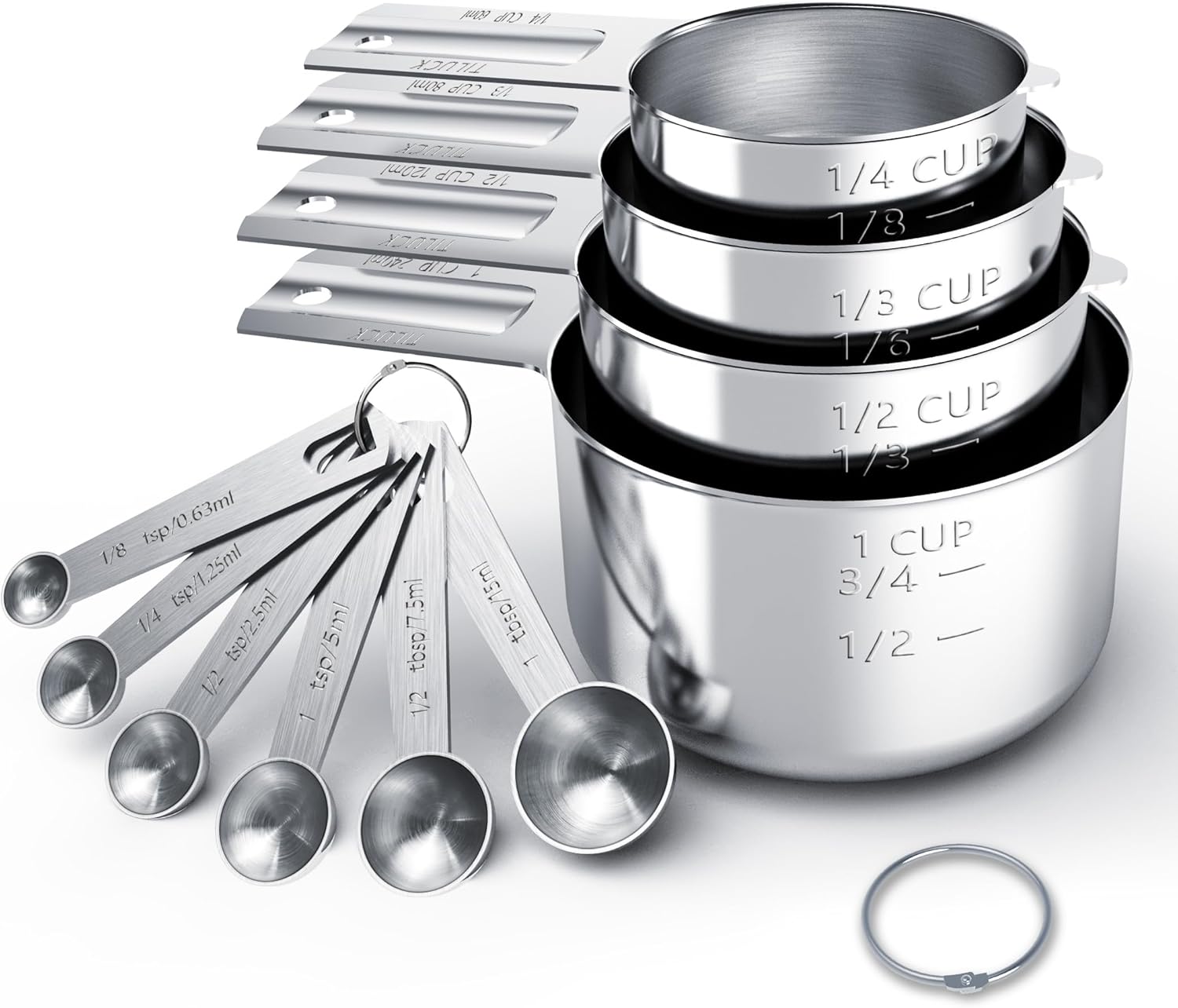
Heavy-Gauge Stainless Steel Measuring Cups & Spoons
Etched measurement markings never fade through dishwashing, ensuring precise seasoning balance.