Garlic Parmesan Roasted Cabbage Steaks

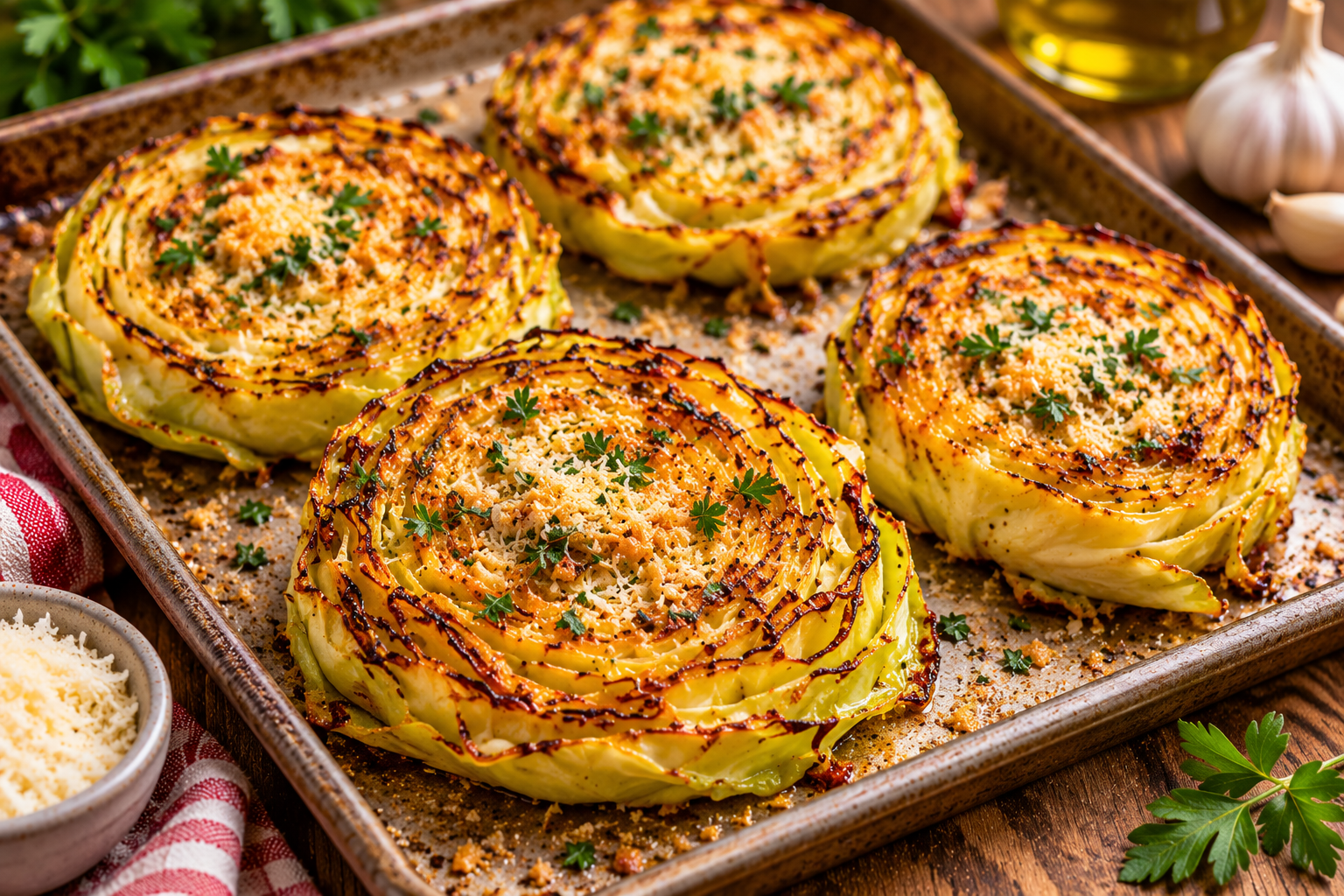
Thick cabbage slices roast with garlic, olive oil, and Parmesan until tender in the middle and golden at the edges.
Garlic Parmesan Roasted Cabbage Steaks
Roasting transforms an everyday head of cabbage into a savory side with tender centers and browned edges. Garlic, olive oil, and Parmesan bring familiar flavor, while lemon at the end keeps the dish bright.
These cabbage steaks need little hands-on time and pair well with roasted chicken, salmon, beans, or a grain bowl. Even slices and enough room on the baking sheet help them brown instead of steam.
Recipe at a glance
- Prep time: 10 minutes
- Cook time: 30 minutes
- Total time: 40 minutes
- Yield: 4 servings
- Difficulty: Easy
Ingredients
- 1 large green cabbage (about 2 to 2 1/2 pounds)
- 3 tablespoons olive oil
- 3 cloves garlic, finely grated or minced
- 1/2 teaspoon kosher salt, plus more to taste
- 1/4 teaspoon black pepper
- 1/2 teaspoon smoked or sweet paprika (optional)
- 1/3 cup finely grated Parmesan cheese
- 2 tablespoons chopped fresh parsley
- Lemon wedges, for serving (optional)
How to make it
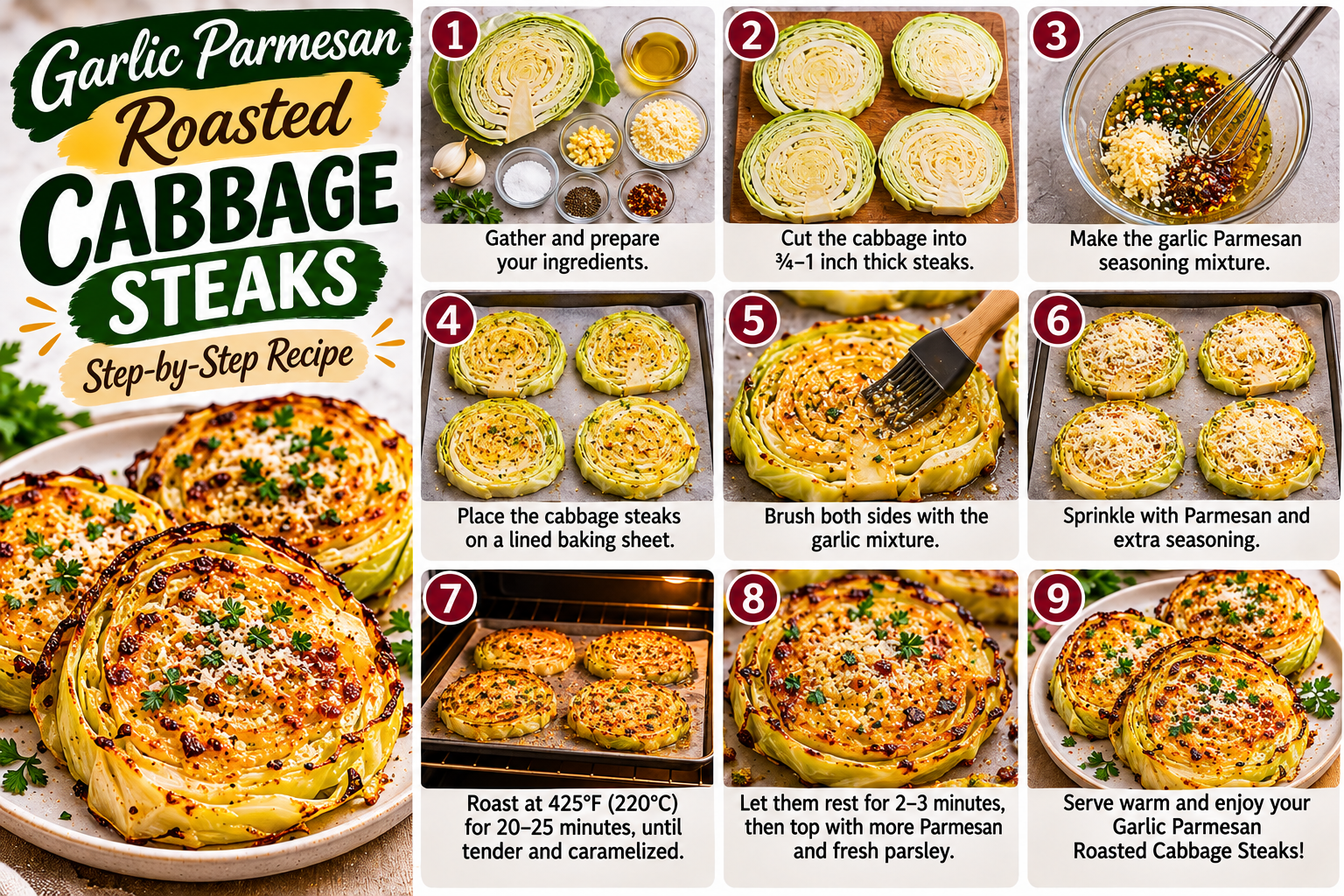
- Heat oven to 425°F (220°C). Line a rimmed baking sheet with parchment paper. Trim only the loose outer leaves and leave the core intact so the slices hold together.
- Set the cabbage on its base and cut it vertically through the core into four 3/4- to 1-inch thick steaks. Save loose edges for another use.
- Stir olive oil, garlic, salt, pepper, and paprika together. Brush both sides of each cabbage steak, taking care to get some oil between the leaves.
- Arrange the steaks in a single layer with space between them. Roast for 18 minutes, then carefully turn with a wide spatula.
- Scatter Parmesan over the cabbage and roast 10 to 12 minutes more, until the thickest part is tender when pierced and the edges are browned. If slices are thick, allow a few extra minutes.
- Finish with parsley and a squeeze of lemon. Taste and add salt if needed. Serve hot as a side dish.
Tips for the best results
Leave the core attached when slicing; it holds the layers together as you brush and turn each steak. Cut evenly, use a wide spatula, and divide between two pans if crowded. Add Parmesan after turning so it browns without overcooking.
Make-ahead and storage
Serve soon after roasting for the best texture. Refrigerate leftovers in a sealed container and reheat on a baking sheet in a hot oven or air fryer. Slice the cabbage ahead, then season just before roasting.
Frequently asked questions
How do I keep cabbage steaks from falling apart?
Keep the core attached and cut straight through it so each slice has a piece of core holding the leaves together. Use a wide spatula when turning.
Can I make these without Parmesan?
Yes. Omit the cheese or finish with toasted breadcrumbs or a dairy-free alternative. Check seasoning after roasting.
Can I prepare cabbage steaks ahead?
You can slice the cabbage and mix the oil seasoning a day ahead. Store the cabbage covered in the refrigerator and season just before roasting.
What should I serve with roasted cabbage?
They pair well with roasted chicken, salmon, beans, or a simple grain bowl. Add lemon at the table to brighten the rich roasted flavor.
Cooking times are estimates and can vary with equipment, ingredient brands, and portion size. Follow visual doneness cues and safe food-handling guidance.
Why cabbage works so well in the oven
Cabbage is inexpensive, easy to find, and naturally sweetens as it roasts. High heat browns the outer leaves while the thicker center becomes tender. Cutting the head into steaks gives each serving crisp edges and soft layers. The core is important because it holds the leaves together. Trim only the dry stem end and loose outer leaves, then cut straight through the core. Green cabbage is the easiest choice; choose a head that feels heavy for its size and has tightly packed leaves.
Seasoning and roasting technique
Olive oil helps the garlic and seasonings cling to the leaves and encourages browning. Brush both sides, then work a little oil between the layers. Do not drench the cabbage; excess oil can make it greasy. Mince garlic finely and distribute it with the oil so large pieces do not burn. Add Parmesan after the first roast so it melts and browns without becoming bitter. Give each steak room on the baking sheet. Crowding traps steam and limits caramelization, so use two pans if necessary.
Ways to serve and customize
These steaks make a useful side dish with roasted chicken, baked fish, pork tenderloin, or lentils. Add lemon juice just before serving to brighten the savory cheese and garlic. For a heartier vegetarian plate, serve a steak over white beans or warm farro with a spoonful of yogurt sauce. Smoked paprika gives a subtle smoky note; red pepper flakes add heat. Finish with parsley, chives, or toasted breadcrumbs for contrast.
Common problems and storage
Steaks that fall apart are usually cut without enough core attached or turned before the underside has browned. Use a sharp knife and a broad spatula. If the outside browns before the middle softens, lower the oven slightly and continue roasting until a knife passes through the thickest section. Serve soon after roasting for the best texture. Refrigerate leftovers in a covered container and reheat on a sheet pan or in an air fryer; a microwave will warm them but soften the edges. Slice the cabbage ahead, but season just before roasting.
Choosing thickness and judging doneness
Thickness affects the balance between browned edges and a tender middle. Slices around three-quarters to one inch are sturdy enough to turn and usually cook through at a practical pace. Very thin slices can collapse, while very thick ones may brown before the center softens. If your cabbage head is unusually large, cut the steaks a little thinner and check them early. A sharp knife helps create clean slices; a serrated knife can tear the layers and make them harder to handle.
Making the most of the leftover cabbage
The loose outer pieces and small end sections do not need to be wasted. Toss them with the same garlic oil and roast them on the edge of the pan, checking them sooner because smaller pieces cook faster. You can also shred the leftovers for slaw, stir-fry, or soup. Keep raw cut cabbage covered in the refrigerator and use it promptly. If you are preparing several heads, roast only what fits in a single layer and refrigerate the rest for another meal.
For a complete meal, add a protein and a simple starch rather than trying to turn every cabbage steak into a heavily topped dish. Roasted chickpeas, white beans, or a poached egg are good vegetarian choices. Rice, potatoes, or crusty bread make the plate more filling. This keeps the cabbage's roasted flavor at the center of the meal and makes the recipe easy to adapt to different menus.
Serving portions and finishing touches
One cabbage steak can be a generous vegetable side, but appetites and head sizes vary. If the slices are small, plan on more than one per person and serve the loose roasted pieces alongside them. Add lemon after roasting rather than before; this preserves the browned surface and gives the finished dish a fresh lift. If you are preparing other oven dishes, roast the cabbage when the oven is already hot and time it so it reaches the table soon after cooking. The edges are most appealing while they are still crisp.
Ready to make something?
Turn inspiration into dinner.
Browse our tested recipes for practical step-by-step ideas, weeknight favorites and something delicious to try next.
Find your next recipe →Helpful Tools for This Recipe
Disclosure: Affiliate disclosure: This post contains affiliate links. As an Amazon Associate I earn from qualifying purchases at no extra cost to you.
 (paid link)
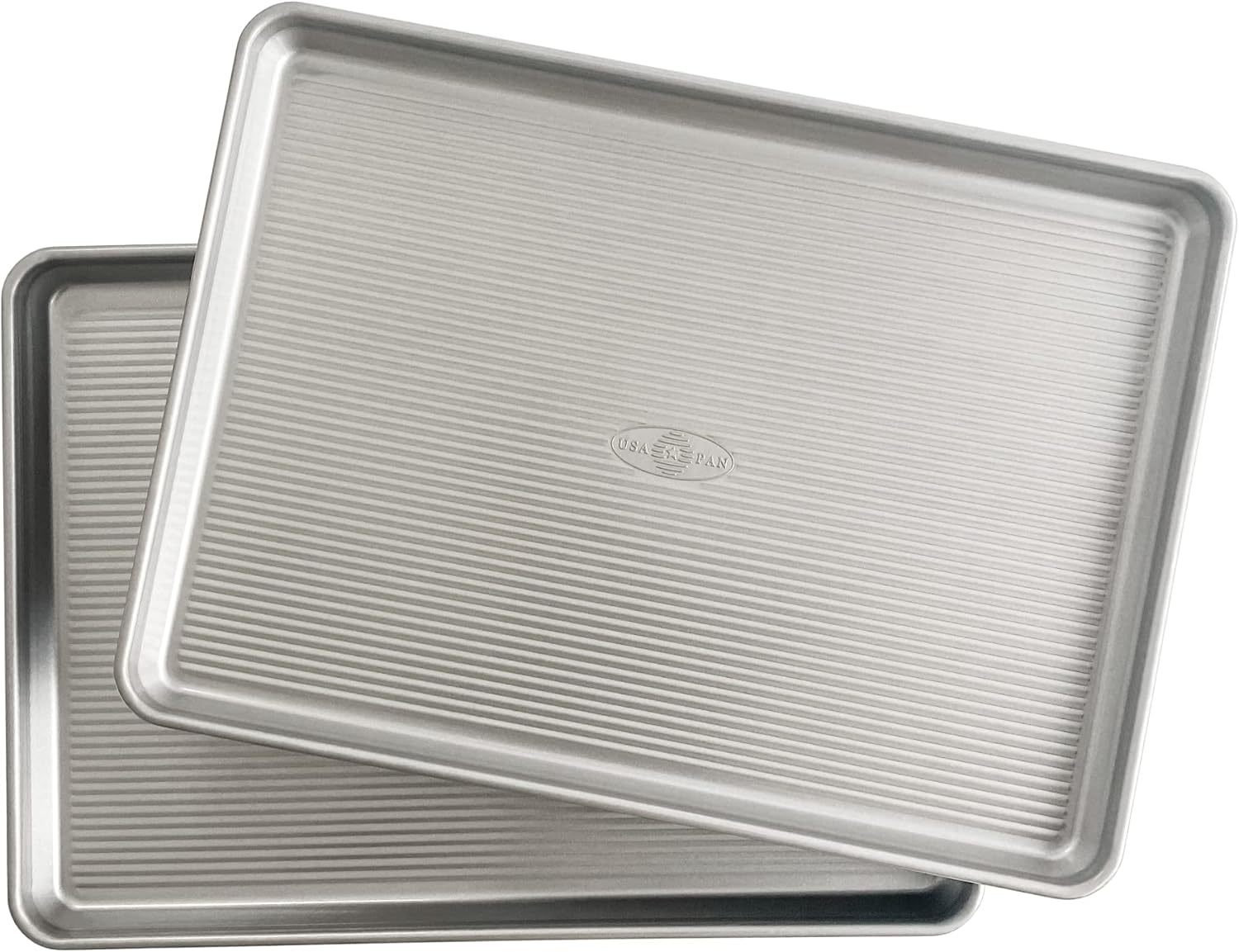
Heavy-Duty Half Sheet Baking Pans (Set of 2)
Heavy-gauge aluminum prevents warping at high heat for even sheet-pan dinners and golden rolls.
 (paid link)
Unbleached Pre-Cut Baking Parchment Paper Sheets
Lies completely flat on baking trays for effortless release with zero sticking and swift cleanup.
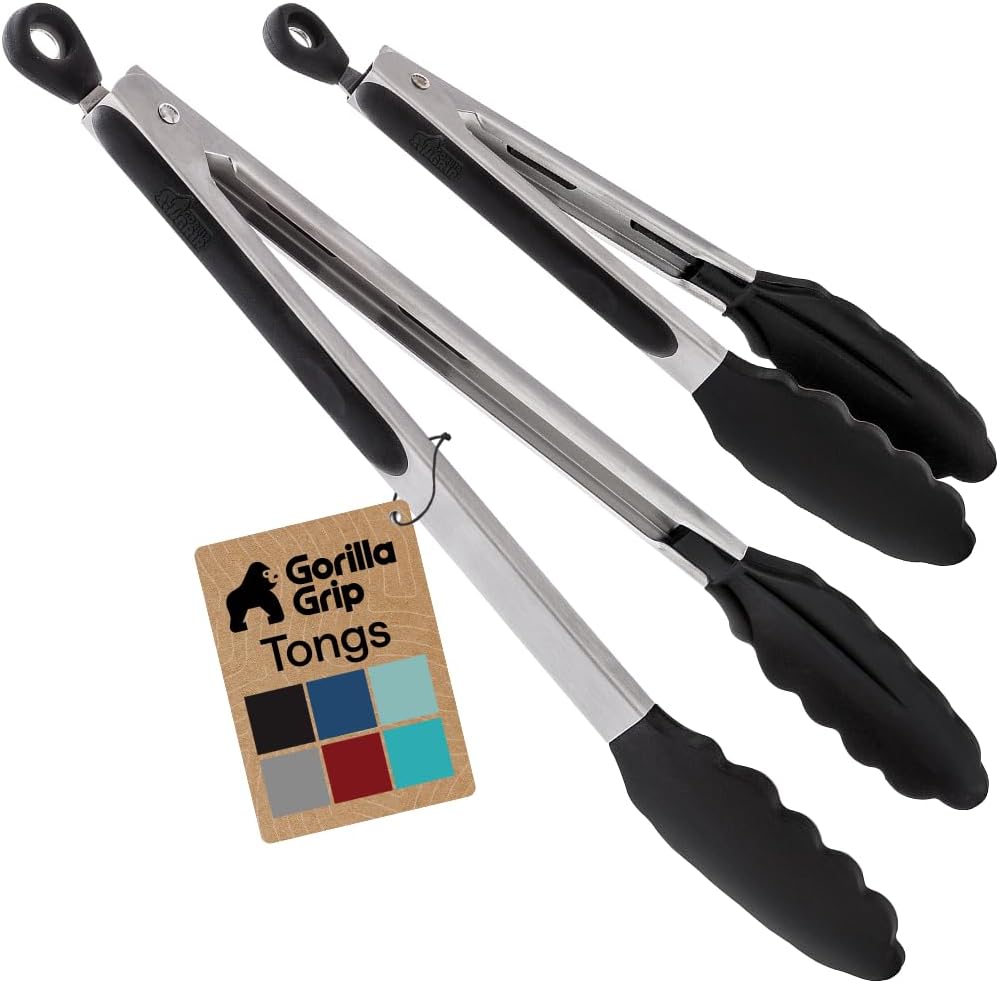 (paid link)
Stainless Steel Locking Kitchen Tongs with Silicone Tips
Gives secure control when flipping chicken breasts, searing meats, or tossing hot pasta.